I am journeying overseas to adopt Internationally. I will hopefully be
taking my toddler and adolescent on this trip. What can I do to ensure a
healthy and enjoyable trip for my family?
International travel, with the entire family unit has become a growing
trend among potentially adoptive families. Some see this trip as a means
to create a new family while bringing the old family unit closer
together. While International travel can be a very stressful endeavor,
it can also prove to be a life-enriching experience that you may never
have had the occasion to encounter if it was not for International
Adoption.
People travel great lengths to Russia, China, Africa, Guatemala, and
Columbia to formally adopt a child. Some families are fortunate to be
assigned industrialized cities like Moscow, while others need to go the
periphery of Russia to finalize their adoption. More concerning are the
groups that voyage to developing nations. In developing countries, there
is a shortage of health care, poor sanitary conditions; and where
infectious diseases run rampant should be of significant concern to any
educated traveler.
Parents need to plan their International travel accordingly. It would be
wise to have a conference a local authority on International travel at
least two months before the anticipated travel date. Time is needed to
attain an immune response to the advocated vaccinations. Sometimes
prophylactic medications may also be required during the trip.
As a group, young children have significant difficulty tolerating
extreme heat, dehydration and reduced nutritional intake. It is because
of the child's decrease in reserve, why parents need to carefully
prepare in order to be able to identify the signs of medical problem
should they arise, and understand how to deal with it accordingly.
Infants in general are more prone to become ill during their trip
because of their immature immune system and sometimes-deficient primary
vaccination series. From the aspect of adolescents and teenagers, other
health and social concerns appear. Because parents may be very busy with
their International adoption proceedings, appropriate, consistent and
continuous supervision of the teenager may unintentionally be reduced.
Adolescents may have opportunities to participate in potentially risky
activities such as drug, alcohol, sex and travel in unsafe motor
vehicles. As a parent, it is imperative to be knowledgeable of these
hazardous behaviors and speak to your youngster frankly with regard to
how to deal with them should the event invariably arise.
In order to virtually guarantee a healthy trip for you and you
household, good weekend plans on behalf of the parent is strongly
suggested. Below is a list of appropriate things to you should
thoroughly review prior to embarking on an International trip,
particularly if journeying to a developing country.
Tips before you travel:.
1) Review health insurance benefits. Investigate if your plan furnishes
coverage to you while you are overseas. Sometimes it may be in your
families best interests to obtain supplemental health coverage while
traveling should a medical need arise.
2) Evacuation insurance should a medical emergency appear and a family
member needs to be airlifted to another country for medical management.
3) Locate the names and telephone numbers of travel clinics in the
country that you will be visiting.
4) Parents need to record the telephone numbers of all the household
members physicians and pediatricians.
5) Make sure that you children's vaccine status is up-to-date and obtain
any special vaccines as indicated by the particular country. A brief
visit to a travel Clinic will aid to determine if you require any
particular country specific vaccines, such as Typhoid, Hepatitis A,
Rabies, Encephalitis.
Tips for preventative care of children while traveling:.
1) Provide sufficient entertainment and distractions to effectively keep
your child occupied for the duration of the entire plane flight. A
portables DVD player, game boy, books, puzzles or their favorite toy are
sufficient to keep even the most mischievous youngster busy.
2) Sedation in most instances is not required for overnight travel, but
for children greater than 2 years of age, a parent may choose to
administer Benadryl to help the child sleep. It is very important you
try a trial dose a few days prior. All children are different, and can
metabolize the medicine differently. Some children may have a
paradoxical response, and instead of becoming sleepy, become hyperactive
and restless.
3) Changes in cabin pressure can have a painful impact on a child's
inner ear. Generally, the act of swallowing, drinking from a bottle can
aid with pressure equalization.
4) Make sure that the child is adequately hydrated during the air
travel. Insensible fluid loss happens in flight and can cause dryness of
the child's mucous membranes. They are not dehydrated however.
5) Try not to overfeed infants because the higher altitudes occasionally
cause the stomach gasses to increase and children may encounter tummy
distention and physical pain.
During your international trip abroad:
While traveling, particularly to a developing country, the prevention of
infectious disease is of the utmost importance. The most common
intestinal problem encountered in tourists can be avoided if simple
hygiene procedures are followed. Simple hand washing and the avoidance
of unsafe foods can avert clinical illness.
Good hygiene is essential to the avoidance of gastrointestinal
infections, which are in most cases transmitted via the fecal-oral
route. Washing with soap and water, or the appropriate use of
antibacterial hand wash is sufficient to furnish protection. When
traveling abroad, especially after visiting the orphanages, siblings may
find themselves playing with some of the children, on the ground, with
dirty toys. Special attention before eating in regards to hand washing
before meals is now imperative.
Choosing safe foods for you and your children during your voyage can
become a full time job. Getting children to eat in general is a
difficult task, introducing a different cuisine to their diet can make
it even more challenging. Water is the most common vector for the
transmission of illness. Travelers, particularly to developing nations
should effectively avoid the consumption of the local tap water. When
dealing with children, parents should be on the lookout for juices mixed
with tap water, ice cubes, and even when brushing your child's teeth
with water should be avoided. Families should automatically make it a
practice of consuming only bottled water. Make sure that the bottle is
sealed because sometimes-unscrupulous vendors might recycle old bottles
and stock them with tap water, and successfully sell it to the unknowing
traveler. If bottled water is not available, then boiling the water is
regarded safe before consumption.
Often foods that are unsafe for consumption can be detected without too
much difficulty.
Below is a list of unsafe food and drinks.
1) Uncooked fruits or vegetables from which the outer skin have not been
removed.
2) Undercooked meats or seafood.
3) Fruit drinks and frozen popsicles
4) Any food washed with water should be cooked before consumption. Milk
should be avoided unless it is pasteurized.
Unsafe foods can come in mysterious packages:.
1) Sandwiches that have been topped with lettuce or tomatoes
2) Fruits that have been skinned at outdoor markets (mangos, pineapples,
papaya) are often dipped in water to retain them moist.
Food and snacks at the local market can seem appealing to your children.
Parents should be prepared by traveling with know safe snacks in order
to prevent purchasing contaminated snacks for your children.
Safety and injury prevention :
Advise about safety and injury prevention during your adoption journey,
is along the lines of the anticipatory guidance that one would receive
during your well childcare visits with your pediatrician. Accidental
injury is the leading cause or death in children that travel
internationally. Standard safety measures and extra common sense during
your voyage can aid to reduce the potential risk of accidental injury.
Seat belt safety while traveling in vehicles is still the most important
means of preventing accidental death in children. Unfortunately, seat
belts may not consistently be available in the automobiles that they
will be traveling in during their adoption journey. In cases when there
is no seatbelt in the automobile, carefully positioning the child
traveler in the rear seat is safer than in the front seat.
Unless you are staying at the local Hilton 5 star hotel, the physical
environment can be more dangerous than some families realize. Children
are explores by nature and are guaranteed to detect potential dangers
before the parents do. Unfortunately, when this happens, it is generally
too late. Parents should inspect the child's environment during their
travel continuously. They should watch for exposed electrical wires and
outlets, and broken glass. Some of the building that you may visit may
be older type, with decaying construction, inadequate guardrails and
lack of window guards.
The most devastating feeling that a parent can experience is when they
turn around and they no longer see their child. Children can become
accidentally separated from their families during their adoption
journey. The commotion of visiting the orphanage, conversing with
facilitators doctors and successfully completing millions of forms, can
lessen the parents supervision of their other children. It takes just a
split second for your naive child to get lost. Personal information,
containing the child's name, address where the child's family are
staying and contact telephone numbers should be put into the child's
pocket. It should never be displayed in plain view.
Protection against insects pertains to traveler to developing countries.
Mosquitoes can frequently transport life-threatening illness such as
Malaria, dengue, Filariasis and Japanese encephalitis. Barrier
protection with sufficient clothing cover-up, protective nets and
personal insecticides are essential to preventing exposures to such
diseases.
Your adoption journey should be a memorable experience for you and your
family. Careful preparation and extensive guidance before you travel can
effectively make this trip an enjoyable event, and not a remembrance
laden with medical illness, hospitals and physicians.
Minggu, 26 Februari 2012
How to Travel More Efficiently
Regardless of whether you are travelling for business or pleasure,
considerable preparation is needed prior to your departure so that you
feel confident that you have packed everything that you need and feel
assured that you are well organised and equipped to handle the
situations that may confront you.
Seasoned, experienced and regular travellers understand the importance of efficiency when travelling. Regardless of whether you are travelling for business or pleasure, considerable preparation is needed prior to your departure so that you feel confident that you have packed everything that you need and feel assured that you are well organised and equipped to handle the situations that may confront you.
Packing
Packing is inevitable every time you travel. Even if you only carry cabin baggage, thought needs to be invested in terms of what you will take and the most efficient use of the space that you have available. If you are heading off to a hostel in Sydney then you will want to pack as light as you can without being uncomfortable.
Because of the modern technology on which we depend for work, entertainment and staying in touch, travellers often find that they are carrying multiple gadgets. While gadgets and devices such as: mobile phones, iPods or MP3 players, laptop computers, kindles, still and video cameras are obviously useful and even critical to the success of some people’s trips, more often than not each one of these requires its own battery charger.
Precious luggage space is quickly consumed by numerous chargers and there is no denying that these chargers can work themselves into a tangled and unruly mess. The great news is that solar battery chargers are now available and these gadgets eliminate the need to carry many different items to charge your devices.
Solar battery chargers – are they reliable?
Of course, efficiency is absolutely vital to the business traveller. Professional people need to know that the devices that they need to use can and will work when they need them to. Even backpackers in Sydney and other places find them useful for short camping trips or travelling across the country.
Business travellers need feel no trepidation or wariness about the reliability of modern solar chargers. These devices are designed to capture and store vast amounts of solar energy and effectively convert this into the power necessary to charge an array of technological devices. It is also important to note that solar battery chargers accrue solar energy in a range of conditions and that it is not always necessary to recharge your solar charger on a bright, sunny day.
In fact, many professionals are delighted with the results that are given by solar chargers and testify that their chargers perform just as efficiently as battery chargers that need to be plugged into a mains power source.
How do solar chargers make a person more efficient?
Ultimately, solar battery chargers mean that you do not have to carry many different battery chargers with you when you travel. With just one solar charger in your possession, it is possible to charge up many different devices even though they may be characterised by different sockets.
Your solar battery charger can effectively take in and store solar energy and is also capable of storing this energy for a significant amount of time. This is reassuring for business travellers who need the absolute assurance that their devices will always work – every time they are needed.
Because solar chargers operate using energy from the sun, you will also find that you are in a position to make considerable savings on electricity. With the cost of electricity continuing to rise, this is an important advantage.
All of us want to travel efficiently when we are away from home for business or a holiday and of course, we want to minimise the amount of cords and items that we need to carry in order for our technological pieces to operate successfully. Solar battery chargers make it possible to travel more efficiently and in a far more organised fashion.
Seasoned, experienced and regular travellers understand the importance of efficiency when travelling. Regardless of whether you are travelling for business or pleasure, considerable preparation is needed prior to your departure so that you feel confident that you have packed everything that you need and feel assured that you are well organised and equipped to handle the situations that may confront you.
Packing
Packing is inevitable every time you travel. Even if you only carry cabin baggage, thought needs to be invested in terms of what you will take and the most efficient use of the space that you have available. If you are heading off to a hostel in Sydney then you will want to pack as light as you can without being uncomfortable.
Because of the modern technology on which we depend for work, entertainment and staying in touch, travellers often find that they are carrying multiple gadgets. While gadgets and devices such as: mobile phones, iPods or MP3 players, laptop computers, kindles, still and video cameras are obviously useful and even critical to the success of some people’s trips, more often than not each one of these requires its own battery charger.
Precious luggage space is quickly consumed by numerous chargers and there is no denying that these chargers can work themselves into a tangled and unruly mess. The great news is that solar battery chargers are now available and these gadgets eliminate the need to carry many different items to charge your devices.
Solar battery chargers – are they reliable?
Of course, efficiency is absolutely vital to the business traveller. Professional people need to know that the devices that they need to use can and will work when they need them to. Even backpackers in Sydney and other places find them useful for short camping trips or travelling across the country.
Business travellers need feel no trepidation or wariness about the reliability of modern solar chargers. These devices are designed to capture and store vast amounts of solar energy and effectively convert this into the power necessary to charge an array of technological devices. It is also important to note that solar battery chargers accrue solar energy in a range of conditions and that it is not always necessary to recharge your solar charger on a bright, sunny day.
In fact, many professionals are delighted with the results that are given by solar chargers and testify that their chargers perform just as efficiently as battery chargers that need to be plugged into a mains power source.
How do solar chargers make a person more efficient?
Ultimately, solar battery chargers mean that you do not have to carry many different battery chargers with you when you travel. With just one solar charger in your possession, it is possible to charge up many different devices even though they may be characterised by different sockets.
Your solar battery charger can effectively take in and store solar energy and is also capable of storing this energy for a significant amount of time. This is reassuring for business travellers who need the absolute assurance that their devices will always work – every time they are needed.
Because solar chargers operate using energy from the sun, you will also find that you are in a position to make considerable savings on electricity. With the cost of electricity continuing to rise, this is an important advantage.
All of us want to travel efficiently when we are away from home for business or a holiday and of course, we want to minimise the amount of cords and items that we need to carry in order for our technological pieces to operate successfully. Solar battery chargers make it possible to travel more efficiently and in a far more organised fashion.
International Travel Tips to Europe and England
We all love to travel around the US but when international travel is
involved there may be some additional challenges before you set off – we
explore them all.
If you want international travel tips to Europe including England then this article will help you. First off is the planning stage.
International Passports, Visas and Vaccines
Any country outside of the USA will require you to have a valid passport with some countries requiring a 10 year passport and most require you to have at least 6 months left before it expires before you can enter the country.
Many countries require you to have a valid visa either stamped into your passport or have the visa in hard copy format. Countries like the UK allow you to apply online or you can submit a form through the post. See their website for more details.
For vaccines and immunizations check the country you are going to and see what you need. You should allow plenty of time because some vaccines take a while to take effect and you may need to make an appointment several weeks in advance with your doctor or hospital. Some of the more common vaccines required include Hepatitis A and B, flu, Tetanus, Malaria and yellow fever.
Health and Travel Insurance
It is so critical for you to up to date travel insurance just in case something goes wrong and you are not covered for hospital treatment or repatriation in the country you are visiting.
Check your policy to see what cover is included. If you are already on medication plan then ahead so you have enough to take with you (and a little more) to last throughout your vacation. You may also want to take your eye prescription just in case you need to replace glasses or contact lenses.
Eating and Local Water
If you have a sensitive
palette then it’s no use trying completely different food that your body
is not used to especially in some countries where their hygiene
standards may not be the same as ours. If you are especially worried
don’t eat anything that has or has been washed in local water (including
ice in cold drinks) as this may be infected. Always drink bottled water
and ensure that the seal in the cap is still intact.
Packing Your Suitcase
Everyone wants to have tons of stuff “just in case” but really try and keep your suitcase to a minimum and leave valuables at home. I always say that so long as I have my travel tickets, passport and credit cards then I don’t need anything else as I can always buy it at my destination. Most airports around the world cater well for travelers so if the country doesn’t have the right shops you can pick most things up at airports, train and bus stations as well as your hotel (or your hotel should be able to find the item for you).
Whilst packing your case take smaller sizes for toiletries and stuff items into shoes to save space.
European Travel Tips
In reality Europe is much like the US apart from the each country has its own language so if you are going to a non-English speaking country (that’s everywhere except England, Scotland, Ireland and Wales) then invest in a local phrase translation book to help you with common items you may have to ask for. Staff in hotels will always speak English and most tourist places as well but you may get stuck in local restaurants or towns out of the main cities.
The currency for mainland Europe is the Euro (except in the UK) so you only need to take one currency if you are traveling around. I find it best just to take a little local currency to pay for taxis and food but rely on credit cards for the rest. Just make sure your card can take cash out of ATMs – generally if it has a “Cirrus” logo on the back of the card you should be able to – just remember your PIN number !.
Travel Tips to England
England is a great place to be and most people head to London which is a huge diverse city. London hotels are not the best in the world but are getting better and it’s worth researching these online to find one that is close to everything.
The London financial district out at Canary Wharf is about 20 minutes from Central London and is a mini city it itself but if you are looking to explore all the normal sites and museums then it’s best to stay around the Oxford Street area or “west end” of town as a good base.

Travelling around London is safe and easy. There is an extensive metro or “underground” system that’s cheap and effective although not air conditioned. London has thousands of buses which go everywhere and there are also sightseeing buses which you can hop on and off that take you to all the standard tourist areas.
It’s best if you mark up an itinerary before you go as there is so much to see so mark down those attractions that are right for you. Some require advanced booking such as the London Eye and you should either purchase these in advance or on your first day of arrival.
England will appear very expensive as the price of items locally is the same “number” as in the US but because of the exchange rate at least 1.5 times more expensive than you are used to. For example a McDonalds cost 99c in the US and 99p in the UK but 99p is actually $1.60 at current exchange rates so just watch out for that as you’ll need extra funds for your trip.
The Flight and “Jet lag”
Because the flight is going to be
at least 7 hours from New York to London and 12 from San Francisco you
should prepare yourself to make your journey easier. The issue will be
jet lag or tiredness and certainly in the first few days you will be
tired in the mornings and wide awake at night. There’s plenty of advice
on jet lag online – suffice to say just try and get as much sleep as
possible on the flight over and don’t go overboard on drinking and
eating whilst on board!
Places to See in Europe
Europe is as large as the US in size and population so if you think of people wanting to come to the US for a holiday they simply will not be able to fit everything in during a 2 week vacation and Europe is no exception. So here are a few places that are really “must dos” in some of the countries.
If you want international travel tips to Europe including England then this article will help you. First off is the planning stage.
International Passports, Visas and Vaccines
Any country outside of the USA will require you to have a valid passport with some countries requiring a 10 year passport and most require you to have at least 6 months left before it expires before you can enter the country.
Many countries require you to have a valid visa either stamped into your passport or have the visa in hard copy format. Countries like the UK allow you to apply online or you can submit a form through the post. See their website for more details.
For vaccines and immunizations check the country you are going to and see what you need. You should allow plenty of time because some vaccines take a while to take effect and you may need to make an appointment several weeks in advance with your doctor or hospital. Some of the more common vaccines required include Hepatitis A and B, flu, Tetanus, Malaria and yellow fever.
Health and Travel Insurance
It is so critical for you to up to date travel insurance just in case something goes wrong and you are not covered for hospital treatment or repatriation in the country you are visiting.
Check your policy to see what cover is included. If you are already on medication plan then ahead so you have enough to take with you (and a little more) to last throughout your vacation. You may also want to take your eye prescription just in case you need to replace glasses or contact lenses.
Eating and Local Water
Packing Your Suitcase
Everyone wants to have tons of stuff “just in case” but really try and keep your suitcase to a minimum and leave valuables at home. I always say that so long as I have my travel tickets, passport and credit cards then I don’t need anything else as I can always buy it at my destination. Most airports around the world cater well for travelers so if the country doesn’t have the right shops you can pick most things up at airports, train and bus stations as well as your hotel (or your hotel should be able to find the item for you).
Whilst packing your case take smaller sizes for toiletries and stuff items into shoes to save space.
European Travel Tips
In reality Europe is much like the US apart from the each country has its own language so if you are going to a non-English speaking country (that’s everywhere except England, Scotland, Ireland and Wales) then invest in a local phrase translation book to help you with common items you may have to ask for. Staff in hotels will always speak English and most tourist places as well but you may get stuck in local restaurants or towns out of the main cities.
The currency for mainland Europe is the Euro (except in the UK) so you only need to take one currency if you are traveling around. I find it best just to take a little local currency to pay for taxis and food but rely on credit cards for the rest. Just make sure your card can take cash out of ATMs – generally if it has a “Cirrus” logo on the back of the card you should be able to – just remember your PIN number !.
Travel Tips to England
England is a great place to be and most people head to London which is a huge diverse city. London hotels are not the best in the world but are getting better and it’s worth researching these online to find one that is close to everything.
The London financial district out at Canary Wharf is about 20 minutes from Central London and is a mini city it itself but if you are looking to explore all the normal sites and museums then it’s best to stay around the Oxford Street area or “west end” of town as a good base.
Travelling around London is safe and easy. There is an extensive metro or “underground” system that’s cheap and effective although not air conditioned. London has thousands of buses which go everywhere and there are also sightseeing buses which you can hop on and off that take you to all the standard tourist areas.
It’s best if you mark up an itinerary before you go as there is so much to see so mark down those attractions that are right for you. Some require advanced booking such as the London Eye and you should either purchase these in advance or on your first day of arrival.
England will appear very expensive as the price of items locally is the same “number” as in the US but because of the exchange rate at least 1.5 times more expensive than you are used to. For example a McDonalds cost 99c in the US and 99p in the UK but 99p is actually $1.60 at current exchange rates so just watch out for that as you’ll need extra funds for your trip.
The Flight and “Jet lag”
Places to See in Europe
Europe is as large as the US in size and population so if you think of people wanting to come to the US for a holiday they simply will not be able to fit everything in during a 2 week vacation and Europe is no exception. So here are a few places that are really “must dos” in some of the countries.
- London - Buckingham Palace, London Eye, Any of the Parks, Trafalgar Square, A walk down the Mall from Buckingham Palace to Trafalgar Square, a boat ride on the Thames from Parliament Square to Tower Bridge, Covent Garden and the Tower of London
- Paris – Eiffel Tower, Champs Elysees, Notre Dame, wine tasting, boat trip on the Seine, Louvre museum and Arc de Triomphe (avoiding the traffic)
- Brussels – although a small city the food is better than Paris and there are less people – head to the Grand Place – the old city hall and market square – especially in the summer when they have a light show and winter when they have the ice rink. Other places to go include sampling the local trappist beers, Margritte Museum, Cinquantenaire, Mannekin Pis, Sablon antique region and the Atomium
- Rome – a lovely old city with plenty of character. Visit the home of the Pope – the Vatican, the Pantheon, the Roman Colosseum, the Spanish Steps and the Trevi fountain
Westin Playa Bonita Panama Celebrates Grand Opening
The $100 million Westin Playa Bonita Panama celebrated their grand
opening as the first Westin in Panama a few weeks ago. Located just 20
minutes outside Panama City Business, the beach hotel has six
restaurants, three freshwater pools, four bars, 611 luxury rooms -- and
the Westin Playa Bonita will have you at those views.
Tucked away in upscale Playa Bonita, this property looks out to the Pacific Ocean, golden beaches, and the islets of Taboga and Taboguilla. Access the VIP lounge on the 19th floor for the best views of the ocean, rainforest and Panama Canal.
The Westin Playa Bonita Panama is a corporate meeting paradise with 62,000 square feet of meeting and event space, the largest meeting space in Central America. Planners can choose from 22 multi-function meeting rooms including the largest, the Grand Ballroom with 13,498 square feet.
International business travelers and meeting attendees have plenty of options during their free time as the resort also features six upscale restaurants (serving everything from Asian fusion to Mediterranean tapas), three infinity-edge pools and four bars. In addition, a Westin workout gym keeps your attendees fit.
As announced late in 2011, Starwood plans to increase its presence by opening another Westin under a franchise agreement with Bern Hotels & Panama Resorts. The second Westin is expected to open later in 2012 to be located in the heart of Panama City’s financial district as the Costa del Este-Panama's Westin Hotel.
Starwood and other large international chains like Hilton, Sheraton and Trump are riding the wave of the tourism boom currently taking place in Panama. With these new hotels, Panama is expected to reach an occupancy rate of more than 24,000 rooms in 2012.
"Panama as a destination has grown tremendously in the last four years," said Ernesto Orillac, Vice Minister of Tourism. "The multimillion dollar investment being made by international hotel chains shows not only the level of confidence in the country's tourism development, but also, the ability to create the conditions to meet the demands of a growing number of visitors."
More about Panama
An authentic and unexplored destination, Panama is in the main air hub in Latin America, boasting stunning landscapes, diverse ecosystems in forests, beaches, mountains, and the Panama Canal (the eighth wonder of the world). Panama is the most important financial center of the Americas and home to major multinational corporations and a free trade zone.
Tucked away in upscale Playa Bonita, this property looks out to the Pacific Ocean, golden beaches, and the islets of Taboga and Taboguilla. Access the VIP lounge on the 19th floor for the best views of the ocean, rainforest and Panama Canal.
The Westin Playa Bonita Panama is a corporate meeting paradise with 62,000 square feet of meeting and event space, the largest meeting space in Central America. Planners can choose from 22 multi-function meeting rooms including the largest, the Grand Ballroom with 13,498 square feet.
International business travelers and meeting attendees have plenty of options during their free time as the resort also features six upscale restaurants (serving everything from Asian fusion to Mediterranean tapas), three infinity-edge pools and four bars. In addition, a Westin workout gym keeps your attendees fit.
As announced late in 2011, Starwood plans to increase its presence by opening another Westin under a franchise agreement with Bern Hotels & Panama Resorts. The second Westin is expected to open later in 2012 to be located in the heart of Panama City’s financial district as the Costa del Este-Panama's Westin Hotel.
Starwood and other large international chains like Hilton, Sheraton and Trump are riding the wave of the tourism boom currently taking place in Panama. With these new hotels, Panama is expected to reach an occupancy rate of more than 24,000 rooms in 2012.
"Panama as a destination has grown tremendously in the last four years," said Ernesto Orillac, Vice Minister of Tourism. "The multimillion dollar investment being made by international hotel chains shows not only the level of confidence in the country's tourism development, but also, the ability to create the conditions to meet the demands of a growing number of visitors."
More about Panama
An authentic and unexplored destination, Panama is in the main air hub in Latin America, boasting stunning landscapes, diverse ecosystems in forests, beaches, mountains, and the Panama Canal (the eighth wonder of the world). Panama is the most important financial center of the Americas and home to major multinational corporations and a free trade zone.
Northrop and Johnson Yacht Charters racing in 32nd Heineken Regatta Continue reading on Examiner.com Northrop and Johnson Yacht Charters racing in 32nd Heineken Regatta - National Yacht Travel | Examiner.com http://www.examiner.com/yacht-travel-in-national/northrop-and-johnson-yacht-charters-racing-32nd-heineken-regatta
For the 32nd Heineken Regatta, Carolyn Titus of Northrop and Johnson
Yacht Charters has entered and will be on board racing the 100’ Nautor
Swan, Virago as a contender to win. A veteran of the many Heineken
Regattas, Carolyn and Bill Titus have taken home the silverware in
previous years and hope to do so again. Also entered into the race is
the Nautor Swan 90’ Nefertiti. Both Virago and Nefertiti have been
chartered for this Heineken Regatta through Carolyn Titus a yacht
charter broker at Northrop
and Johnson Yacht Charters who is extremely knowledgeable and
experienced in performance race chartering. It will be well worth
watching these two beautiful performance sailing Swans, Virago and Nefertiti, the “Queens” of the fleet this
year, racing at the 32nd Heineken Regatta next week in St. Martin.
Sabtu, 25 Februari 2012
Spring break in Dubai
The city of superlatives, reknown luxury destination in the Middle
East and transfer point for flights to Asia and Australia, Dubai offers a
surprisingly family-oriented, safe holiday in and out of the sun.
Family entertainment indoors starts on the plane. Emirates airlines offers the best inflight entertainment in the industry with100 movies and television shows on demand for economy passengers, including fifteen channels for kids only as well as allow seat-to-seat calls, cell phone use and internet access in all classes.
For edutainment, the indoor theme park KidZania inside the world's largest mall, Dubai Mall offers a true-to-life work and education experience by using corporate sponsors to recreate a working city. Children ages 4-14 can earn play money and academic degrees. At Kid Zania Dubai Mall, which celebrated its first anniversary in 2011, players start with a loan from HBSC Bank, take test and pay tuition at the universty, use teh flight simulator as a pilot at Emirates, take care of patients as a doctor or parmedic at Dubai Hospital, or create an orignal fragrance at Swiss Arabian perfumes. Earnings enable them to buy gift items at any of KidZania’s locations around the world. Parents may follow the fun or find a quiet oasis on the second floor at the Parent’s Lounge stocked with Arabic hospitality, magazines, movies and books. True to its motto, “making a better world for the future,” KidZania represents Dubai in all its futuristic goals.
Family entertainment indoors starts on the plane. Emirates airlines offers the best inflight entertainment in the industry with100 movies and television shows on demand for economy passengers, including fifteen channels for kids only as well as allow seat-to-seat calls, cell phone use and internet access in all classes.
For edutainment, the indoor theme park KidZania inside the world's largest mall, Dubai Mall offers a true-to-life work and education experience by using corporate sponsors to recreate a working city. Children ages 4-14 can earn play money and academic degrees. At Kid Zania Dubai Mall, which celebrated its first anniversary in 2011, players start with a loan from HBSC Bank, take test and pay tuition at the universty, use teh flight simulator as a pilot at Emirates, take care of patients as a doctor or parmedic at Dubai Hospital, or create an orignal fragrance at Swiss Arabian perfumes. Earnings enable them to buy gift items at any of KidZania’s locations around the world. Parents may follow the fun or find a quiet oasis on the second floor at the Parent’s Lounge stocked with Arabic hospitality, magazines, movies and books. True to its motto, “making a better world for the future,” KidZania represents Dubai in all its futuristic goals.
To find the old Dubai outdoors with older children, go to the market
stalls at the souks. Pashminas, gold jewelry, spices, and
souvenirs cross the Dubai creek on two-minute abra water taxi
for one dirham, about 30 cents. After a short walk on busy street
leads into galleries where cashmere pashminas from India, gold
embroidered slippers from Pakistan, and gold filigree jewelry.
Pashminas have a purpose here, not only are they elegant and take up
little room and protect from the wind, sun and change in temperature
after sunset.
The public beach at Jumeirah also provides an inexpensive safe, sunny way to enjoy the outdoors and local culture. The sunset silouette on the Atlantis castle on the Sea of Oman can be seen here as well as at any other luxury resort. An added freedom to mothers is the Monday women's only policy.
Nearby and next to the Burj Al Arab “sailing ship,” the Jumeirah Luxury Resort offers day passes which include $130 food and beverage vouchers, luxury towels, changing rooms, umbrellas, lounge chairs, beach service, access to two outdoor pools and two indoor pools as well as other amenities.
To reach the highest point of the Dubai experience in a few seconds without paying too much, atop the tallest building in the world, Burj El Kalifa, make a reservation online. Descend gratis into one of Dubai’s loveliest evening promenades where the world’s largest fountain dances to music and gives a surprisingly romantic finish to an otherwise familiar touristic day.
The public beach at Jumeirah also provides an inexpensive safe, sunny way to enjoy the outdoors and local culture. The sunset silouette on the Atlantis castle on the Sea of Oman can be seen here as well as at any other luxury resort. An added freedom to mothers is the Monday women's only policy.
Nearby and next to the Burj Al Arab “sailing ship,” the Jumeirah Luxury Resort offers day passes which include $130 food and beverage vouchers, luxury towels, changing rooms, umbrellas, lounge chairs, beach service, access to two outdoor pools and two indoor pools as well as other amenities.
To reach the highest point of the Dubai experience in a few seconds without paying too much, atop the tallest building in the world, Burj El Kalifa, make a reservation online. Descend gratis into one of Dubai’s loveliest evening promenades where the world’s largest fountain dances to music and gives a surprisingly romantic finish to an otherwise familiar touristic day.
GPS enabled driving in Japan and Russia
For independent travelers who drive, Japan and Russia would seem to
offer some obstacles, but I would dismiss these, as there are great
benefits to driving in both countries. The independence factor is what
applied in our experience.
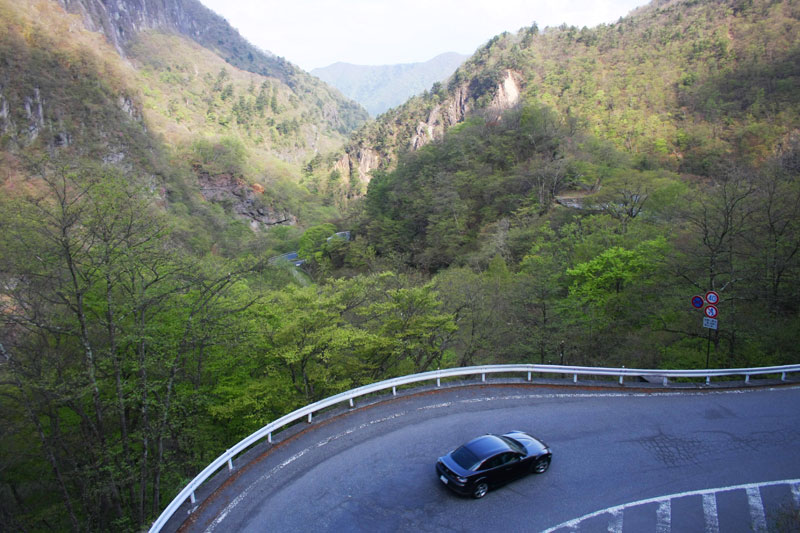
We drove in Japan, May 3-17, 2010, never getting lost. From home, I had prebooked a car from Hertz (800/654-3001). I was even able to speak to an American in Tokyo to ask a few questions.
After experiencing the giant-kite festival in Hamamatsu, we picked up the car at a Toyota location. The two-week rental cost about ¥68,828 (near $890), with dropoff in Tokyo.
The rental included a GPS unit with instructions written in English. We didn’t use the voice instructions because they were in Japanese, but we only needed to know which way to turn, and the screen showed us that. Other than that, one “ding” meant “be ready” and a “ding, ding” meant “turn now.” (There are English-language GPSs available, but we didn’t happen to get one.)
Once in a while we had to cycle through the Japanese language to get back to the unit’s starting point. Our maps were used infrequently but were useful.
My wife took charge of the GPS and entered the appropriate phone number, yes, phone number, of each place we were headed for, be it a hotel or restaurant, or any phone number that would get us close to our exact destination. (Because addresses in Japan are based upon what was constructed first on a street, phone numbers are used.)
We knew the numbers of our prebooked hotels, and any tour book has phone numbers of other places in a town.
The fabulous scenery made us want to go back in the fall to drive in the north, probably including the island of Hokkaido. Now that we have gained total confidence, even driving in Tokyo, we suggest to ITN readers that what might have seemed impossible is actually an opportunity.
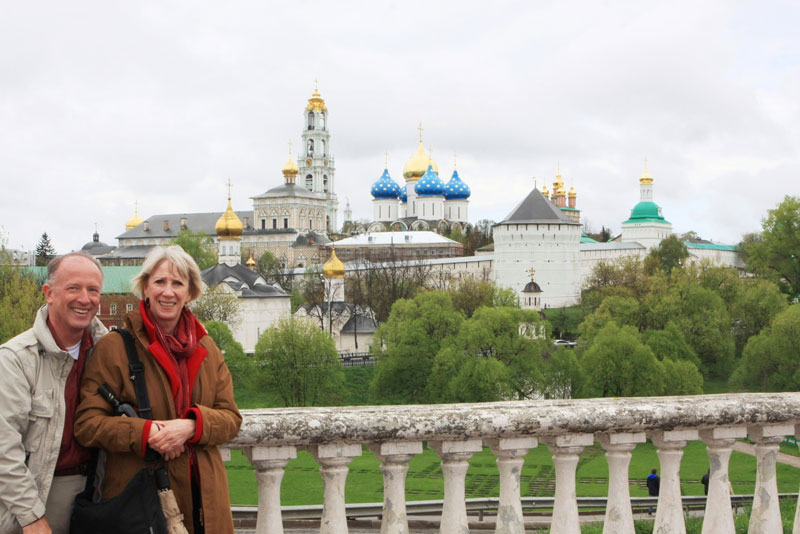
• As to Russia, we rented a car there for three days in May ’11. Our goal was the Golden Ring towns north of Moscow. We went with Avis (US & Can., 800/331-1212), the easiest to use, and the basics cost about $100 per day.
We furnished our own GPS, which was set up for that country and was totally accurate. In this case, we put in the name of the town or the address of our hotel.
We drove from Moscow to Sergiyev Posad and the next day through the countryside to Suzdal. We reached Vladimir on the third day, then returned to Moscow, dropping the car at an Avis location at a rail station.
As in Japan, the language may be impossible to read, but more English is being added to highway signs. That said, we never found the Cyrillic or Japanese signs to be an issue. We trusted our GPS, and it worked well.
• Both of these trips were arranged for us by a very competent trip planner we found, one who takes great interest in the most important details: Jerry Simons of SRQ Travel (988 Boulevard of the Arts, Ste. 1216, Sarasota, FL 34236; 866/630-1616 or 941/726-6934, e-mail srqtravel@verizon.net).
In Japan, he got us to the most interesting places we could have gone. Excluding the rental cost but including hotels (prebooked), meals and gas, the cost of this trip was about $350 a day. We only had to get to each town.
For a Trans-Siberian Express trip from Moscow to Beijing, April 12-May 12, and our driving trip outside Moscow, he found a person to meet and guide us in each city and town plus a very fine company to take us through Mongolia.
We drove in Japan, May 3-17, 2010, never getting lost. From home, I had prebooked a car from Hertz (800/654-3001). I was even able to speak to an American in Tokyo to ask a few questions.
After experiencing the giant-kite festival in Hamamatsu, we picked up the car at a Toyota location. The two-week rental cost about ¥68,828 (near $890), with dropoff in Tokyo.
The rental included a GPS unit with instructions written in English. We didn’t use the voice instructions because they were in Japanese, but we only needed to know which way to turn, and the screen showed us that. Other than that, one “ding” meant “be ready” and a “ding, ding” meant “turn now.” (There are English-language GPSs available, but we didn’t happen to get one.)
Once in a while we had to cycle through the Japanese language to get back to the unit’s starting point. Our maps were used infrequently but were useful.
My wife took charge of the GPS and entered the appropriate phone number, yes, phone number, of each place we were headed for, be it a hotel or restaurant, or any phone number that would get us close to our exact destination. (Because addresses in Japan are based upon what was constructed first on a street, phone numbers are used.)
We knew the numbers of our prebooked hotels, and any tour book has phone numbers of other places in a town.
The fabulous scenery made us want to go back in the fall to drive in the north, probably including the island of Hokkaido. Now that we have gained total confidence, even driving in Tokyo, we suggest to ITN readers that what might have seemed impossible is actually an opportunity.
• As to Russia, we rented a car there for three days in May ’11. Our goal was the Golden Ring towns north of Moscow. We went with Avis (US & Can., 800/331-1212), the easiest to use, and the basics cost about $100 per day.
We furnished our own GPS, which was set up for that country and was totally accurate. In this case, we put in the name of the town or the address of our hotel.
We drove from Moscow to Sergiyev Posad and the next day through the countryside to Suzdal. We reached Vladimir on the third day, then returned to Moscow, dropping the car at an Avis location at a rail station.
As in Japan, the language may be impossible to read, but more English is being added to highway signs. That said, we never found the Cyrillic or Japanese signs to be an issue. We trusted our GPS, and it worked well.
• Both of these trips were arranged for us by a very competent trip planner we found, one who takes great interest in the most important details: Jerry Simons of SRQ Travel (988 Boulevard of the Arts, Ste. 1216, Sarasota, FL 34236; 866/630-1616 or 941/726-6934, e-mail srqtravel@verizon.net).
In Japan, he got us to the most interesting places we could have gone. Excluding the rental cost but including hotels (prebooked), meals and gas, the cost of this trip was about $350 a day. We only had to get to each town.
For a Trans-Siberian Express trip from Moscow to Beijing, April 12-May 12, and our driving trip outside Moscow, he found a person to meet and guide us in each city and town plus a very fine company to take us through Mongolia.
New Zealand — The Ora Garden of Wellbeing
Blame New Zealand’s isolation, which began about 100 million years
ago when the island nation drifted off from a supercontinent known as
Gondwanaland. Surrounded by thousands of miles of sea, New Zealand
evolved its own set of flora and fauna, a Garden of Eden that leaves
visitors speechless when it comes to attempting to describe its
incredible geographical and botanical diversity.
“Brazil meets Switzerland!,” overheard on my November 2011 visit, was an attempt that struck me as hitting close to the mark.
In 2004, a design team of six talented New Zealanders set themselves the task of putting — in a nutshell — this botanical bounty as it related to the country’s indigenous Polynesian people, the Maori. Intrinsic to Maori belief is that plants and people share a common ancestry and that it is up to the people to be guardians of nature, the treasures of the land.
The nutshell turned out to be an entry in the 2004 Chelsea Flower Show. Held in London since 1862, the show is the most famous flower show in the United Kingdom, attracting visitors from all over the world. New Zealand’s entry won a gold medal.
Most Chelsea exhibits are dismantled, never to be seen again. Not so, New Zealand’s, which brought me to a small museum overlooking pristine Lake Taupo in the center of New Zealand’s North Island, where the Chelsea gold-medal winner has been re-created as a permanent exhibit.
“It’s a challenge,” garden caretaker Joanna (Jody) Martin told me as she pulled off her gardening gloves as we met in the courtyard of the Taupo Museum, where the Chelsea garden is now located.
“The garden was created to last for the days of the exhibition. Here, it is an ongoing garden. Over time, plants grow, plants die, requiring trimming, removal, replacement to keep the garden’s appearance as fresh as it was at the Chelsea show. My job is to keep it looking perfect.”
As an example, Jody pointed out a cabbage tree, as Cordyline australis is commonly known, that has towered to twice its originally planted size. “It’s grown out of proportion to its setting and has to be replaced with a younger one,” she said.
Every plant in the Chelsea garden, and as re-created in Taupo, was chosen for its medicinal, culinary or cultural properties. All were native to New Zealand, with most coming from the central area of the North Island.
While most perennials flew direct, other plants found it a long journey to the UK’s shores. Tree ferns stopped off in Ireland for a stay with a master fern grower to adjust after six weeks at sea.
“It was nervously precision timed,” Jody said. “The ferns didn’t have fronds up to a week before the show.”
With uncurling fronds internationally recognized as the national symbol of New Zealand, having no fronds would have been a sad affair for the garden’s designers. As it was, the garden emerged in hues of lush green, creating a tropical feel with no evidence of jet lag or culture shock.
In Chelsea, viewers were encouraged not to step past hand-plaited flax ropes held in place by four bronze guardian figures representing the four winds: east, west, north, south.
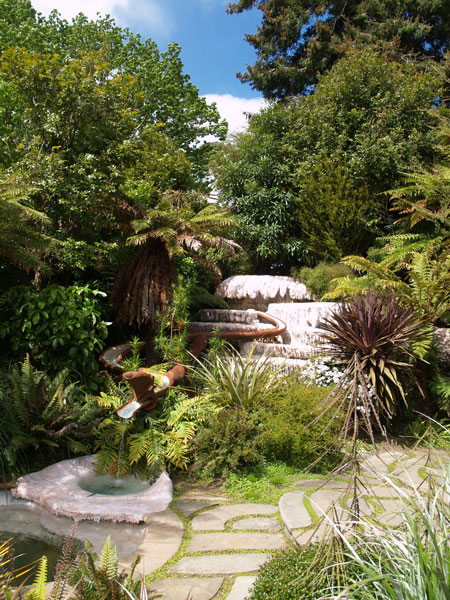
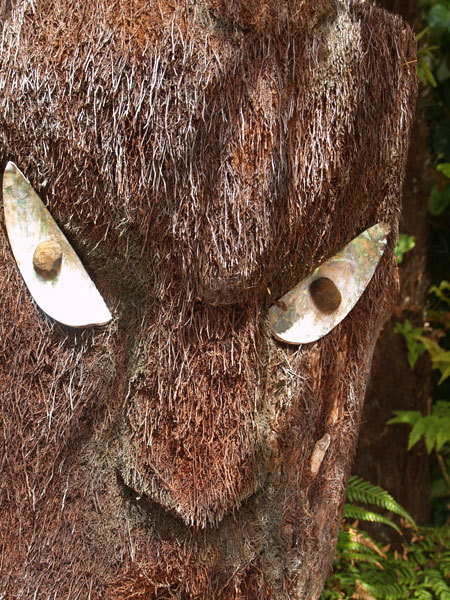
In Taupo, visitors are free to wander into the Hui Marae, or “meeting place where people gather,” a secluded, sandstone-paved circle. Steps away is the stream emerging from the mouth of the huge Moko Waiwera, or hot-water lizard, its wood-carved, curving body extending from a top pool and across terraces to transport water into a bottom pool.
The terraces, made by Richard Taylor, winner of four Oscars for special effects, makeup and costume design in the “Lord of the Rings” film trilogy, are a replica of New Zealand’s famed Pink and White Terraces. In the 19th century, intrepid Victorian tourists flocked to New Zealand to bathe in the thermal waters flowing over the silica terraces, which were known as the “eighth natural wonder of the world” until destroyed in an 1886 volcanic eruption.
As Jody and I talked, a small boy ran into the garden and immediately made his way to Te Waha O Ruamoko, “the mouth of the god of the underworld,” to peer into the cave representing the opening to a passageway for spirits to enter the underworld domain of Ruamoko, god of volcanoes and earthquakes.
“It’s the rare child who doesn’t make a beeline to take a look,” Jody laughed.
While structural features are the “bones” of the garden, plants are its stars. Nearly 1,000 plants are represented in the small space.
Green is represented in the full range of its spectrum, with vast variation in foliage — from bold, sword-like leaves to delicate stems decorated in green lace — creating eye-catching interest. Color emerges sparingly, with the red-blotched leaves of a pepper tree shrub, hebes’ fluffy flowers, the blue of Chatham Island forget-me-nots… .
Piped-in birdsong and the haunting sound of a Maori flute enhances the illusion of an idyllic sanctuary in the New Zealand bush.
When the exhibit won its Chelsea gold award, New Zealand gardeners sat up and took stock of what was growing naturally around them, realizing that a garden doesn’t have to be filled with European flowering varieties to be beautiful.
Jody Martin pulled her work gloves back on.
“I love this garden,” she said. “In a tiny space, it showcases what we have here so beautifully.”
The Ora Garden of Wellbeing (ora is Maori for “well being,” hence the traditional Maori greeting “Kia ora” literally means “Be well”) is located in the courtyard of the Taupo Museum (4 Story Place, Taupo, New Zealand; phone +64 7 376-0414.
The museum, itself, is well worth visiting and includes a fine replica of a Maori meeting house. It’s open 10 a.m.-4:30 p.m. every day. Entry costs NZD8 (near $6) for adults or NZD3 for senior citizens or students, with small children admitted free.
“Brazil meets Switzerland!,” overheard on my November 2011 visit, was an attempt that struck me as hitting close to the mark.
In 2004, a design team of six talented New Zealanders set themselves the task of putting — in a nutshell — this botanical bounty as it related to the country’s indigenous Polynesian people, the Maori. Intrinsic to Maori belief is that plants and people share a common ancestry and that it is up to the people to be guardians of nature, the treasures of the land.
The nutshell turned out to be an entry in the 2004 Chelsea Flower Show. Held in London since 1862, the show is the most famous flower show in the United Kingdom, attracting visitors from all over the world. New Zealand’s entry won a gold medal.
Most Chelsea exhibits are dismantled, never to be seen again. Not so, New Zealand’s, which brought me to a small museum overlooking pristine Lake Taupo in the center of New Zealand’s North Island, where the Chelsea gold-medal winner has been re-created as a permanent exhibit.
“It’s a challenge,” garden caretaker Joanna (Jody) Martin told me as she pulled off her gardening gloves as we met in the courtyard of the Taupo Museum, where the Chelsea garden is now located.
“The garden was created to last for the days of the exhibition. Here, it is an ongoing garden. Over time, plants grow, plants die, requiring trimming, removal, replacement to keep the garden’s appearance as fresh as it was at the Chelsea show. My job is to keep it looking perfect.”
As an example, Jody pointed out a cabbage tree, as Cordyline australis is commonly known, that has towered to twice its originally planted size. “It’s grown out of proportion to its setting and has to be replaced with a younger one,” she said.
Every plant in the Chelsea garden, and as re-created in Taupo, was chosen for its medicinal, culinary or cultural properties. All were native to New Zealand, with most coming from the central area of the North Island.
While most perennials flew direct, other plants found it a long journey to the UK’s shores. Tree ferns stopped off in Ireland for a stay with a master fern grower to adjust after six weeks at sea.
“It was nervously precision timed,” Jody said. “The ferns didn’t have fronds up to a week before the show.”
With uncurling fronds internationally recognized as the national symbol of New Zealand, having no fronds would have been a sad affair for the garden’s designers. As it was, the garden emerged in hues of lush green, creating a tropical feel with no evidence of jet lag or culture shock.
In Chelsea, viewers were encouraged not to step past hand-plaited flax ropes held in place by four bronze guardian figures representing the four winds: east, west, north, south.
In Taupo, visitors are free to wander into the Hui Marae, or “meeting place where people gather,” a secluded, sandstone-paved circle. Steps away is the stream emerging from the mouth of the huge Moko Waiwera, or hot-water lizard, its wood-carved, curving body extending from a top pool and across terraces to transport water into a bottom pool.
The terraces, made by Richard Taylor, winner of four Oscars for special effects, makeup and costume design in the “Lord of the Rings” film trilogy, are a replica of New Zealand’s famed Pink and White Terraces. In the 19th century, intrepid Victorian tourists flocked to New Zealand to bathe in the thermal waters flowing over the silica terraces, which were known as the “eighth natural wonder of the world” until destroyed in an 1886 volcanic eruption.
As Jody and I talked, a small boy ran into the garden and immediately made his way to Te Waha O Ruamoko, “the mouth of the god of the underworld,” to peer into the cave representing the opening to a passageway for spirits to enter the underworld domain of Ruamoko, god of volcanoes and earthquakes.
“It’s the rare child who doesn’t make a beeline to take a look,” Jody laughed.
While structural features are the “bones” of the garden, plants are its stars. Nearly 1,000 plants are represented in the small space.
Green is represented in the full range of its spectrum, with vast variation in foliage — from bold, sword-like leaves to delicate stems decorated in green lace — creating eye-catching interest. Color emerges sparingly, with the red-blotched leaves of a pepper tree shrub, hebes’ fluffy flowers, the blue of Chatham Island forget-me-nots… .
Piped-in birdsong and the haunting sound of a Maori flute enhances the illusion of an idyllic sanctuary in the New Zealand bush.
When the exhibit won its Chelsea gold award, New Zealand gardeners sat up and took stock of what was growing naturally around them, realizing that a garden doesn’t have to be filled with European flowering varieties to be beautiful.
Jody Martin pulled her work gloves back on.
“I love this garden,” she said. “In a tiny space, it showcases what we have here so beautifully.”
The Ora Garden of Wellbeing (ora is Maori for “well being,” hence the traditional Maori greeting “Kia ora” literally means “Be well”) is located in the courtyard of the Taupo Museum (4 Story Place, Taupo, New Zealand; phone +64 7 376-0414.
The museum, itself, is well worth visiting and includes a fine replica of a Maori meeting house. It’s open 10 a.m.-4:30 p.m. every day. Entry costs NZD8 (near $6) for adults or NZD3 for senior citizens or students, with small children admitted free.
Cape Town’s summer tourism season gets back into action
Cape Town Tourism revealed that
member surveys were showing increased optimism and better early results
in the 2011/2012 summer tourism season. Following the release of results
from its second member survey, it appears that predictions for a
much-improved season were right on the money.
106 accommodation establishment industry members responded to Cape Town Tourism’s second summer survey, which examined tourism numbers for December 2011 and January 2012. The survey found that in December 2011, 60.4% of respondents reported occupancy levels of over 60%. In a slight levelling out, 54.7% of industry members had occupancy levels of over 60%, but a total of 66% of respondents noticed an increase in occupancy levels when compared with the same period last year.
Travellers were reported to be a mix of both domestic and international tourists from Gauteng, Kwa-Zulu Natal and the Western Cape respectively. International visitors hailed from Germany, the UK, the Netherlands and the USA. Only 11.4% of accommodation respondents answered negatively when asked how they expected their establishment to perform in the coming summer months when comparing occupancy levels with the same period last year.
In the tour operator sector, 52.2% of respondents reported an increase in bookings for December 2011. For January 2012, 58.3% of respondents saw an increase. Whilst tour operators reported bookings from both local and international markets, 70.8% of respondents reported most of their bookings to be from the UK, USA and Germany respectively. The main attractions booked during this period were Cape Point, the Cape Winelands, Table Mountain and the V&A Waterfront. Only 12.5% of respondents expect their establishments to do worse in February and March when booking levels are compared to the same period last year.
The top tourism attractions also reported excellent trade with 78.9% of respondents noting an upswing in December 2011 and January 2012. Significantly, 63.2% reported an increase in revenue to match the increase in bookings. Visitors were received from both the local and international market with all attractions surveying high numbers from the Western Cape, then Gauteng and Kwa-Zulu Natal. International visitors were predominantly from Germany, the UK, and the USA and China equally. Only 15.8% of respondents expect to do worse during the remaining summer months than for the same period last year.
Table Mountain Cableway reported a record 116 000 visitors for December 2011 and another record month for January 2012 with 103 000 visitors. Excellent weather during these months, the current annual sunset special, as well as exposure garnered from the New 7 Wonders of Nature campaign, is thought to be the reason for this significant increase. Visitors in December were predominantly local and domestic, whilst international visitor figures started picking up in January.
Cape Point saw 87 119 visitors through the park gate and 31 696 visitors use the Funicular in December 2011, whilst January 2012 saw 79 973 visitors enter the park and 41 580 patrons make use of the Funicular. Thus far, February is being reported as an excellent month.
At the V&A Waterfront, foot count for December 2011 was estimated to be two million, which put 2011 on par with the predicted 22.5 million visitors annually. Both December 2011 and January 2012 have shown positive year on year growth with a good combination of both local and international visitors. International visitors from core markets, events and an increase in business tourism are reported to have played a role in the increased visitor numbers for February. Waterfront hotels have also forecasted positive figures for February and March 2012.
The City Sightseeing bus reported a busy peak season with the bulk of patrons being domestic visitors over this period. The recently launched canal cruise is also becoming popular thanks to City Sightseeing’s captive audience as well as packages on City Sightseeing tickets.
Restaurants in Cape Town reported an increase in bookings for the December 2011 - January 2012 period. It was reported that there was a good combination of both domestic and international visitors with a surprising upswing by locals, but still more bookings from European travellers. The majority of restaurant respondents are positive about the coming summer months when looking at their forward bookings.
For the calendar year of 2011 overall passenger numbers at Cape Town International Airport grew by 4.05%. With just under 8.5 million passengers processed in 2011 it can be hailed the year of regained growth. Deidre Davids, Communications Manager, Airports Company South Africa: Cape Town International Airport, comments; “In essence this means that while passenger numbers had started to slowly but steadily grow we had not yet recorded as much growth as in 2007. Now we have finally surpassed that and if the trend continues we are on track to regain the growth of the past four years”.
For the month of December total passenger movement showed an increase of 7% compared to the same period last year. December 2011 saw over 330 000 domestic arriving passengers, and an impressive increase of 17% for international arriving passenger numbers compared to the same period last year.
The month of January has seen passenger numbers at Cape Town International Airport continue to climb in line with the trend of the past three months. January saw international arriving passenger numbers grow by a remarkable 15% compared to January 2011. Domestic arriving passengers grew by 4% for January compared to January last year. Total passenger numbers for January 2012 marked a healthy 8% growth compared to January last year. Davids adds; “The International passenger numbers are extremely impressive and confirm that November marks the beginning of the peak season with the months that follow all showing good growth”.
Cape Town Tourism’s Visitor Information Centres reported having engaged with 13 477 walk-in visitors during December 2011 and 14 762 in January 2012. For December these figures indicated an equal split of domestic and international visitors; however, January saw an upswing in foreign visitors with a further increase expected for February as per previous years’ trends. The increase in walk-in visitors for December, and a decrease in email enquiries, shows that more visitors were in destination, making use of the VIC network and not making use of email as in the preceding months whilst planning their trips.
Enver Duminy, Acting CEO of Cape Town Tourism, comments; “The responses we’ve seen from this second survey, as well as the conversations we have had the tourism industry, are encouraging. We are seeing increased booking levels and, for the most part, spirits in the industry are positive. Added value is high on the agenda with visitors from our domestic as well as international key source markets. As a destination, Cape Town offers tremendous value in terms of visitor experience. Travelers from all markets are spoiled for choice by competitor destinations and it is vital that we continue to diversify our offering across the range of tourism products and experiences. We will continue to market Cape Town on traditional and new media platforms, engage with our trade contacts and forge new relationships in emerging markets. Original, authentic products or services that are great value for money will keep them coming back for more.”
Ravi Nadasen, General Manager of Southern Sun The Cullinan says: “Even though we are seeing an increase inoccupancy, the accommodation sector has not experienced the same levels of activity and bookings as attractions across the city. The increased capacity of the accommodation inventory in Cape Town has played a significant role in this trend, as well as the growing tendency of visitors to stay with family and friends. The accommodation sector in Cape Town will gain from sustained destination marketing initiatives that focus on leisure and business tourism.”
Councillor Grant Pascoe, Mayoral Committee Member for Tourism, Events and Marketing at the City of Cape Town concludes; “Visitor figures thus far for the 2012 summer season have demonstrated that awareness generated for Cape Town during the 2010 FIFA World Cup, as well as accolades like World Design Capital, Table Mountain’s New7Wonders status and TripAdvisor’s top destination award are paying off. We are looking forward to March and April – two busy event months when Cape Town hosts internationally recognised events like the Cape Argus Pick ‘n Pay Cycle Tour, the Cape Town International Jazz Festival, Design Indaba and the Two Oceans Marathon, as well as various national and international conferences and summits. The biggest challenge for the sustained growth of Cape Town’s tourism industry remains seasonality. We are only able to ensure a consistent economic growth through tourism if we are able to counter seasonality with attractive offers and excellent value. Domestic and international marketing of Cape Town needs to continue to ensure tourism arrivals from key source and new markets.”
106 accommodation establishment industry members responded to Cape Town Tourism’s second summer survey, which examined tourism numbers for December 2011 and January 2012. The survey found that in December 2011, 60.4% of respondents reported occupancy levels of over 60%. In a slight levelling out, 54.7% of industry members had occupancy levels of over 60%, but a total of 66% of respondents noticed an increase in occupancy levels when compared with the same period last year.
Travellers were reported to be a mix of both domestic and international tourists from Gauteng, Kwa-Zulu Natal and the Western Cape respectively. International visitors hailed from Germany, the UK, the Netherlands and the USA. Only 11.4% of accommodation respondents answered negatively when asked how they expected their establishment to perform in the coming summer months when comparing occupancy levels with the same period last year.
In the tour operator sector, 52.2% of respondents reported an increase in bookings for December 2011. For January 2012, 58.3% of respondents saw an increase. Whilst tour operators reported bookings from both local and international markets, 70.8% of respondents reported most of their bookings to be from the UK, USA and Germany respectively. The main attractions booked during this period were Cape Point, the Cape Winelands, Table Mountain and the V&A Waterfront. Only 12.5% of respondents expect their establishments to do worse in February and March when booking levels are compared to the same period last year.
The top tourism attractions also reported excellent trade with 78.9% of respondents noting an upswing in December 2011 and January 2012. Significantly, 63.2% reported an increase in revenue to match the increase in bookings. Visitors were received from both the local and international market with all attractions surveying high numbers from the Western Cape, then Gauteng and Kwa-Zulu Natal. International visitors were predominantly from Germany, the UK, and the USA and China equally. Only 15.8% of respondents expect to do worse during the remaining summer months than for the same period last year.
Table Mountain Cableway reported a record 116 000 visitors for December 2011 and another record month for January 2012 with 103 000 visitors. Excellent weather during these months, the current annual sunset special, as well as exposure garnered from the New 7 Wonders of Nature campaign, is thought to be the reason for this significant increase. Visitors in December were predominantly local and domestic, whilst international visitor figures started picking up in January.
Cape Point saw 87 119 visitors through the park gate and 31 696 visitors use the Funicular in December 2011, whilst January 2012 saw 79 973 visitors enter the park and 41 580 patrons make use of the Funicular. Thus far, February is being reported as an excellent month.
At the V&A Waterfront, foot count for December 2011 was estimated to be two million, which put 2011 on par with the predicted 22.5 million visitors annually. Both December 2011 and January 2012 have shown positive year on year growth with a good combination of both local and international visitors. International visitors from core markets, events and an increase in business tourism are reported to have played a role in the increased visitor numbers for February. Waterfront hotels have also forecasted positive figures for February and March 2012.
The City Sightseeing bus reported a busy peak season with the bulk of patrons being domestic visitors over this period. The recently launched canal cruise is also becoming popular thanks to City Sightseeing’s captive audience as well as packages on City Sightseeing tickets.
Restaurants in Cape Town reported an increase in bookings for the December 2011 - January 2012 period. It was reported that there was a good combination of both domestic and international visitors with a surprising upswing by locals, but still more bookings from European travellers. The majority of restaurant respondents are positive about the coming summer months when looking at their forward bookings.
For the calendar year of 2011 overall passenger numbers at Cape Town International Airport grew by 4.05%. With just under 8.5 million passengers processed in 2011 it can be hailed the year of regained growth. Deidre Davids, Communications Manager, Airports Company South Africa: Cape Town International Airport, comments; “In essence this means that while passenger numbers had started to slowly but steadily grow we had not yet recorded as much growth as in 2007. Now we have finally surpassed that and if the trend continues we are on track to regain the growth of the past four years”.
For the month of December total passenger movement showed an increase of 7% compared to the same period last year. December 2011 saw over 330 000 domestic arriving passengers, and an impressive increase of 17% for international arriving passenger numbers compared to the same period last year.
The month of January has seen passenger numbers at Cape Town International Airport continue to climb in line with the trend of the past three months. January saw international arriving passenger numbers grow by a remarkable 15% compared to January 2011. Domestic arriving passengers grew by 4% for January compared to January last year. Total passenger numbers for January 2012 marked a healthy 8% growth compared to January last year. Davids adds; “The International passenger numbers are extremely impressive and confirm that November marks the beginning of the peak season with the months that follow all showing good growth”.
Cape Town Tourism’s Visitor Information Centres reported having engaged with 13 477 walk-in visitors during December 2011 and 14 762 in January 2012. For December these figures indicated an equal split of domestic and international visitors; however, January saw an upswing in foreign visitors with a further increase expected for February as per previous years’ trends. The increase in walk-in visitors for December, and a decrease in email enquiries, shows that more visitors were in destination, making use of the VIC network and not making use of email as in the preceding months whilst planning their trips.
Enver Duminy, Acting CEO of Cape Town Tourism, comments; “The responses we’ve seen from this second survey, as well as the conversations we have had the tourism industry, are encouraging. We are seeing increased booking levels and, for the most part, spirits in the industry are positive. Added value is high on the agenda with visitors from our domestic as well as international key source markets. As a destination, Cape Town offers tremendous value in terms of visitor experience. Travelers from all markets are spoiled for choice by competitor destinations and it is vital that we continue to diversify our offering across the range of tourism products and experiences. We will continue to market Cape Town on traditional and new media platforms, engage with our trade contacts and forge new relationships in emerging markets. Original, authentic products or services that are great value for money will keep them coming back for more.”
Ravi Nadasen, General Manager of Southern Sun The Cullinan says: “Even though we are seeing an increase inoccupancy, the accommodation sector has not experienced the same levels of activity and bookings as attractions across the city. The increased capacity of the accommodation inventory in Cape Town has played a significant role in this trend, as well as the growing tendency of visitors to stay with family and friends. The accommodation sector in Cape Town will gain from sustained destination marketing initiatives that focus on leisure and business tourism.”
Councillor Grant Pascoe, Mayoral Committee Member for Tourism, Events and Marketing at the City of Cape Town concludes; “Visitor figures thus far for the 2012 summer season have demonstrated that awareness generated for Cape Town during the 2010 FIFA World Cup, as well as accolades like World Design Capital, Table Mountain’s New7Wonders status and TripAdvisor’s top destination award are paying off. We are looking forward to March and April – two busy event months when Cape Town hosts internationally recognised events like the Cape Argus Pick ‘n Pay Cycle Tour, the Cape Town International Jazz Festival, Design Indaba and the Two Oceans Marathon, as well as various national and international conferences and summits. The biggest challenge for the sustained growth of Cape Town’s tourism industry remains seasonality. We are only able to ensure a consistent economic growth through tourism if we are able to counter seasonality with attractive offers and excellent value. Domestic and international marketing of Cape Town needs to continue to ensure tourism arrivals from key source and new markets.”
Japanese Tourism Industry Recovering Faster Than Expected
Japan's tourism industry has rebounded stronger and faster than
expected from the catastrophic Tohoku earthquake and tsunami that took
place there last year, according to the World Travel & Tourism
Council (WTTC), which has released its third of four quarterly reports
about Japan's post-disaster recovery.
The
report, "The Tohoku Pacific Earthquake and Tsunami: Impact on Travel
& Tourism - Update December 2011," found that domestic and outbound
tourism is now back to pre-earthquake levels, and that inbound tourism
is "well on the way to recovery."
In its first
report, released in May 2011, WTTC set three possible recovery
scenarios, suggesting that the earthquake and tsunami's overall damage
could range from $11.5 billion on the low end to $24.4 billion on the
high end. Last week's report puts the total negative impact at $8.9
billion, most of which will be confined to 2011—and well below WTTC's
best-case scenario.
Based on the above numbers,
WTTC predicts that outbound Japanese travel and tourism will have
recovered by the end of 2011, thanks in large part to the speedy
restoration of basic infrastructure immediately after the earthquake and
the ongoing appreciation of the Japanese yen. Inbound travel, it
suggests, will recover by early 2012, although recovery from long-haul
destinations—in particular, Europe—may take longer.
"Nine
months after the devastating earthquake and tsunami which hit northeast
Japan, the country's tourism industry has exceeded even the most
optimistic forecasts and is well on the way to recovery," said WTTC
President and CEO David Scowsill. "Japan has been doing a great job in
particular with marketing efforts both internally and externally and has
reminded the world of the unique products Japan has to offer. However,
there is still some work to be done in attracting previous levels of
international visitors, particularly from long-haul markets where there
may be residual nervousness regarding the nuclear situation and where
economic strife continues."
Water Treatment for International Travel
Water quality can vary widely outside the United States, and it is
particularly suspect
in developing countries. So what is the best method of water
treatment for international
travel? In most cases, the recommended strategy involves using a
method (mechanical,
electronic or chemical) designated as a water purifier, which
eliminates viruses as well as
protozoa and bacteria.
Handheld water filters designed for backcountry travel are more correctly called "microfilters." They are more exacting than household tap "filters" by removing very fine particles down to 0.4 microns in size. However, they do not trap super-fine particles as well as industrial-grade "ultrafiltration" and "nanofiltration" methods.
Microfilters physically separate protozoa and bacteria from water by pushing water through an internal "filtering media" — a ceramic cartridge or a cluster of hollow-fiber tubes.
These media look solid to the eye, but they contain microscopic pores (typically 0.2 to 0.4 microns) that water can penetrate, but protozoa, cysts and bacteria cannot. Microbiologists call this process "size exclusion." The filtering media basically acts as a microscopic colander that strains bugs out of the water.
Viruses, however, are tiny enough to slip through even these pores. Because the risk of viral contamination in North American wilderness waters is considered low, filters are quite sufficient for most domestic backcountry travel. But in less developed international locales where surface water is exposed to all manner of human and animal activity (such as remote villages, primitive farming communities and heavily concentrated population centers), treating water with a purifier is a must.
Pros:
Pros:
Pros:
Pros:
Pros:
Pros:
Pros:
Notes on chemical contamination and other urban hazards: Herbicides and pesticides can be absorbed by filters equipped with a carbon element or counteracted by some purifiers that employ a chemical component. With bioterrorism agents, it depends on the size of the organism. Anthrax, MSR Corp. reports, is a bacteria that can range from 1 to 8 microns. Thus it would be captured by all filters carried at REI. High concentrations of chemicals and heavy chemicals, though, cannot be reliably removed by portable filters or purifiers. Always avoid collecting water from water sources near agricultural activity, heavy industry, mines or their nearby tailing ponds.
Notes on product availability: REI's product selection varies from time to time. Any of these products could drop out of our product assortment at any time. Sometimes a particular item REI stocks may be temporarily unavailable due to product issues with individual manufacturers. And new products may be added before we have a chance to update this article. We apologize if any of these circumstances complicates your efforts to acquire the water-treatment system that you prefer.
View the Centers for Disease Control and Prevention (CDC) guidelines for international travel.
These percentages reflect a "logarithmic" reduction (or "log reduction," as water technicians call it) of organisms in the water. If water, for example, is spiked with a concentration of 10,000 units of something, a 1-log reduction would leave 1,000 units remaining—a reduction of 90%. Here are the results water purifiers must achieve to meet the EPA Guide Standard:
In most cases a fairly substantial quantity of pathogens must
be ingested in order to
cause illness, a factor that makes the stringency of the EPA
Guide Standard quite
encouraging.
"You don't get sick when you take in just one organism," California-based water specialist Dr. Howard Backer told REI.com. "Sometimes dozens or hundreds have to be consumed in order to cause infection. And even if a person becomes infected, it's not the same as getting sick."
Not everyone reacts the same to waterborne pathogens. "Your own underlying health factors can determine how you respond to them," says Dr. Backer, who advises a backcountry travel service. "If, however, you are chronically ill, you are HIV-positive or your immune system is compromised for some other reason, you would be a fool not to treat your water in any situation, and especially overseas."
The EPA—specifically, the EPA Office of Pesticide Programs—takes an interest in water purifiers only because some purifiers use a chemical to kill (or "inactivate") microorganisms that the agency considers to be a public health threat. This is because the EPA is responsible for monitoring pesticide use in the United States.
The EPA, however, does not test, approve, certify or endorse water filters or purifiers. The authoritative, 2,300-page textbook Wilderness Medicine (edited by Dr. Paul Auerbach) points out that the agency only assigns registration numbers to these products. Registration does not indicate endorsement.
Dr. Backer is the author of the textbook's "Field Water Disinfection" chapter. In it he writes: "To be called a 'microbiologic water purifier,' the unit must remove, kill or inactivate all types of disease-causing microorganisms from the water, including bacteria, viruses, and protozoan cysts, so as to render the processed water safe for drinking."
Makers of water purifiers submit their products to independent labs for testing. Nonprofit NSF (National Sanitation Federation) International, based in Michigan, is one such lab. Mike Blumenstein, Senior Project Manager for NSF Engineering and Research Services, explained the lab's relationship with the EPA in an email to REI.com
"We collaborate with the EPA on multiple public health-related issues," he wrote. "As far as microbiological purifiers are concerned, we do not have any official collaboration with EPA. However, NSF does offer NSF certification for purifiers according to the requirements of the EPA Guide Standard and Protocols for Testing Microbiological Purifiers.
"Specifically, NSF Protocol 231 (NSF P231) helps ease concerns about microbiological contaminants in drinking water by establishing product safety and performance requirements for microbiological water purifiers. Based heavily on NSF P231, NSF Protocol 248: Emergency Military Operations Microbiological Water Purifiers describes the procedures to test individual water purifiers (IWPs) that remove or inactivate microbiological contaminants from virtually any fresh water source likely to be encountered during military exercises and deployments. P248 is intended for field type, short-time use devices; P231 is intended for long-term devices, such as plumbed-in or pitcher-style devices."
Thus labs may "certify" that a purifier performs according to the EPA standard, but the EPA itself does not certify, "approve" or "endorse" products.
To maintain competitive balance in the marketplace, it is not unusual for manufacturers of chemical-free products (examples: First Need purifiers and the UV light-based SteriPEN) to seek lab certification for their devices. Doing so indicates that their products conform to the EPA Guide Standard, like chemical-based purifiers. But, again, the EPA does not certify, approve or endorse any water-treatment method or device.
The EPA Guide Standard involves testing various water-treatment technologies with a variety of "test" or "challenge" waters numbered #1 through #5. Water #1 is "General Test Water" which, Blumenstein states, "is essentially tap water with no residual disinfectant."
Challenge waters (those #2 and higher) are spiked with far more organisms (such as protozoa and bacteria) than would ever be encountered in the field. This is done to facilitate analysis of the pathogen's "log reduction."
Blumenstein says challenge waters are specific to the technology being examined. All challenge waters include higher or lower pH (depending on the technology), total organic carbon (which could include contaminants such natural organic substances such as pathogens, insecticides, herbicides and other agricultural chemicals) above 10 milligrams per liter, turbidity above 30 NTU (Nephelometric Turbidity Units) and total dissolved solids at approximately 1,500 milligrams per liter.
Because colder water is more difficult to disinfect, challenge waters are also cooled to (4°C, or 38°F). Water #1 is comparatively warm (20°C, or 68°F).
Here are the waters used and the types of technologies to which each applies:
Purifiers Versus Filters
Water-related illness is typically linked to 1 of 3 types of invisible-to-the-eye pathogens (disease-carrying pests). Caused by animal or human contamination, principally via fecal matter, the following trio of bad boys is potentially lurking in just about any lake, river or stream outside the U.S. and Canada:- Protozoa and cysts (Cryptosporidium parvum, Giardia lamblia). Single-cell parasites; tiny (between 1 and 20 microns. A micron is 1-millionth of a meter, or 0.00004 inch. The period at the end of this sentence is roughly 500 microns.)
- Bacteria (Escherichia coli, or E. coli, Salmonella, Vibrio cholerae, Yersinia entercolitica, Leptospira interrogans and many others). Very tiny (0.1 to 10 microns).
- Viruses (hepatitis A, rotavirus, enterovirus, norovirus). Exceptionally tiny (0.005 to 0.1 micron). Caused by human waste.
Handheld water filters designed for backcountry travel are more correctly called "microfilters." They are more exacting than household tap "filters" by removing very fine particles down to 0.4 microns in size. However, they do not trap super-fine particles as well as industrial-grade "ultrafiltration" and "nanofiltration" methods.
Microfilters physically separate protozoa and bacteria from water by pushing water through an internal "filtering media" — a ceramic cartridge or a cluster of hollow-fiber tubes.
These media look solid to the eye, but they contain microscopic pores (typically 0.2 to 0.4 microns) that water can penetrate, but protozoa, cysts and bacteria cannot. Microbiologists call this process "size exclusion." The filtering media basically acts as a microscopic colander that strains bugs out of the water.
Viruses, however, are tiny enough to slip through even these pores. Because the risk of viral contamination in North American wilderness waters is considered low, filters are quite sufficient for most domestic backcountry travel. But in less developed international locales where surface water is exposed to all manner of human and animal activity (such as remote villages, primitive farming communities and heavily concentrated population centers), treating water with a purifier is a must.
What Are Your Choices?
When a colleague's daughter began making plans for a 10-country, 4-continent educational tour, he asked me for guidance on water treatment for international use. Eager to keep a coworker's family member healthy (he's one of my supervisors, after all), I consulted with several members of REI's product-selection team, various water-treatment manufacturers and medical contacts. Here's our consensus thinking on purifiers available at REI.- SteriPEN
- MSR Sweetwater Purifier System
- MSR MIOX
- First Need
- Katadyn Exstream
- Chemicals
- Boiling
SteriPEN
Many of us like this miniature light saber. It uses ultraviolet light to deactivate the unseen cooties (viruses included) that could be lurking in water. Short-wave UV light (specifically, UVC, which transmits "germicidal" attributes) zaps, or "disrupts," their DNA, rendering them unable to reproduce and thus cause illness. This is what my coworker's daughter took on her trip, and she returned healthy and well-pleased with its performance. The SteriPEN is typically my first-choice water-treatment item for backpacking trips, but every person has different preferences. It may or may not be the right item for you.Pros:
- All SteriPEN models are small, simple to use and lightweight.
- No wait time is needed once water has been exposed to UV light.
- UV light imparts no taste to the water.
- The wand can be used to treat water (without ice) in individual drinking glasses, such as in hotel rooms.
- UV light is very effective against Cryptosporidium, the most treatment-resistant pest among protozoa and bacteria.
- The quartz lamp could break.
- Batteries can run out. (The manufacturer recommends using lithium batteries.)
- Not effective in very dirty or gritty water unless it is prefiltered or clarified. Light must interact with organisms in order to be effective.
- If water has a high particulate content, use the SteriPEN's prefilter — a screw-on cap for water bottles equipped with a 4-micron screen.
- The use of the prefilter is advised in any outdoor situation to keep water as particulate-free as possible.
- For speed and simplicity, bring a water bottle with threads that are compatible with the prefilter.
- If the water clarity is poor, give it a second or even a third dosage of UV light.
MSR Sweetwater Purifier System
This uses a 2-step approach: 1) mechanical filtration followed by 2) chemical treatment (drops of a chlorine solution). Some cautious wilderness land managers even advocate this 2-stage process as the most failsafe approach to backcountry water. MSR recommends filtering first, then applying the solution. The company also states that the Sweetwater solution is formulated to be effective only with the Sweetwater's borosilicate filtering medium.Pros:
- Rugged construction is less susceptible to breakage.
- Needs no batteries.
- The filtration stage eliminates protozoa, cysts and bacteria; the chemical treatment is required only to deactivate viruses.
- Requires the physical effort of pumping; some people consider this slow and tiring.
- Treated water may project a slight chlorine taste.
- A modest wait time is involved after drops are added — MSR recommends 5 minutes to eliminate viruses.
- Extra-cautious souls may want to wait up to 30 minutes, particularly if the water is very cold.
- Avoid wait time for chemical disinfection by prepping water at night for the next day's activity.
- Remember to take ample Sweetwater solution (packaged in 2-ounce bottles). Or teach yourself how to blend your own replacement solution using diluted liquid bleach.
- As of this writing, the Transportation Security Administration prohibits pure liquid bleach or pool-strength chlorine in airline luggage. The Sweetwater solution contains 3.5% sodium hypochlorite (bleach, but in a highly diluted state). When traveling with the solution, the smart move, if possible, is to pack it in your checked luggage.
MSR MIOX
MIOX (short for mixed oxidant) is an inventive, battery-operated device brews up an electronically charged salt-based solution (essentially chlorine) that, when poured into water, neutralizes any pathogens. Test strips can be used to determine if the right concentration of the solution has been applied to the water.Pros:
- Very small (just 1" in diameter), lightweight, rugged and easy to pack.
- For large groups, the amount of the solution can be adjusted to accommodate large quantities of water.
- Comes with an initial set of test strips that indicate whether or not water has been treated adequately.
- Some users have said it takes some practice before they get the solution just right.
- Wait time is involved after drops are added — usually 30 minutes, or up to 4 hours if Cryptosporidium is a known or elevated risk.
- Sometimes a distinct chlorine taste may be evident.
- Batteries can run out.
- Avoid wait time for chemical disinfection by prepping water at night for the next day's activity.
- If the water is especially cloudy, give it a second dosage.
- You can view a video of the MIOX in action on REI.com.
First Need
The only pump devices that perform as chemical-free purifiers are found in the popular First Need series (XL, Trav-L Pure and Base Camp). First Need units feature a proprietary, carbon-treated filtering media, described as an electrostatically charged "structured matrix." Only its manufacturer (General Ecology) fully comprehends what's going on inside the First Need's tangled web of sci-fi fibers. (It's a combination of microfiltration and a process known as "adsorption," which causes suspended matter, such as viruses swimming in water, to adhere to a filtering material, all without chemicals.)Pros:
- All models operate like standard pump filters, and the XL and Base Camp claim a pretty speedy flow rate, roughly 1.9 liters per minute. (One liter per minute is considered a basic flow rate for pump filters.)
- Can withstand rough handling in luggage.
- The Trav-L Pure is a self-contained unit (no dangling hoses), but its flow rate is slower.
- Water is instantly drinkable with all models.
- With no chemical interaction, no taste is imparted to the water.
- First Need canisters are not field cleanable.
- Pre-filters are available, but if you anticipate treating murky, muddy or silt-heavy water, a First Need canister potentially could plug up faster than you would like.
- After extended use, the ability of a First Need canister to capture viruses gradually diminishes.
Katadyn Exstream
This squeeze bottle is equipped with a replaceable cartridge connected to the straw-like sip tube. When the bottle is squeezed, water is pushed through a 3-stage treatment process: 1) a filter, using pleated glass fiber with 1-micron pores, 2) tiny beads of iodinated resin, to deactivate viruses and 3) carbon molecules, to promote clean-tasting water. It is designed for single-person, on-the-go use, typically day trips only.Pros:
- Very simple and convenient.
- Water is instantly drinkable.
- The sip tube produces only a thin stream of water, so don't expect to pour down water in big gulps.
- Iodine should not be used by pregnant women and people with thyroid conditions.
- Dirty water could cause the cartridge to clog.
- Treated water conveys the taste of iodine.
Chemicals (Chlorine Dioxide Tablets)
Chlorine dioxide tablets (found at REI under the brand name Micropur) meet EPA guidelines for effectiveness against harmful waterborne microorganisms, including viruses and hard-shelled Cryptosporidium.Pros:
- Very simple, light, small and convenient. Just drop a tablet in a quart of water and wait.
- Wait time is usually 30 minutes, but rises to 4 hours if Cryptosporidium is a known risk.
- Required wait time can frustrate thirsty users.
- The colder and/or dirtier the water, the longer the recommended dwell time.
- Some impact on taste may be noticeable.
- Not an ideal choice for murky or muddy water.
- Not always effective against Cryptosporidium due to the bug's egg like shell. When crypto is a serious concern (inquire locally), more reliable options are microfilters, UV light or boiling.
- Avoid wait time for chemical disinfection by prepping water at night for the next day's activity.
- Iodine is an alternate chemical treatment, but it is not effective against Cryptosporidium It is also not advised for use by people with thyroid conditions or pregnant women.
Boiling
If no other option is available to you, and you have access to a pan and a heat source, you can always boil the water. Among medical professionals, this process is called "heat disinfection." It is a foolproof treatment method.Pros:
- Effective against all waterborne pathogens. Always.
- It's less than ideal if you have a limited fuel supply. You must wait for water to cool before you drink it (unless, of course, you're brewing a hot beverage).
- It is elevated heat, not the specific act of boiling, that kills microorganisms and disinfects water. Nearly all waterborne pathogens are killed within seconds after contact with standard pasteurization temperatures (60°C/131°F, 65°C/149°F and 70°C/158°F).
- Bringing water to a boil (100°C/212°F) simply provides visual evidence that the water has achieved a microbe-vanquishing temperature.
- The most heat-resistant bug out there is the virus hepatitis A. Even it is believed to expire in less than 1 minute in water heated to 98°C/208°F. It is because of hepatitis A (or maybe just tradition) that some health organizations and wilderness rangers persist in recommending at least 1 minute of boiling time to purify water, and 3 minutes at higher elevations.
Notes on chemical contamination and other urban hazards: Herbicides and pesticides can be absorbed by filters equipped with a carbon element or counteracted by some purifiers that employ a chemical component. With bioterrorism agents, it depends on the size of the organism. Anthrax, MSR Corp. reports, is a bacteria that can range from 1 to 8 microns. Thus it would be captured by all filters carried at REI. High concentrations of chemicals and heavy chemicals, though, cannot be reliably removed by portable filters or purifiers. Always avoid collecting water from water sources near agricultural activity, heavy industry, mines or their nearby tailing ponds.
Notes on product availability: REI's product selection varies from time to time. Any of these products could drop out of our product assortment at any time. Sometimes a particular item REI stocks may be temporarily unavailable due to product issues with individual manufacturers. And new products may be added before we have a chance to update this article. We apologize if any of these circumstances complicates your efforts to acquire the water-treatment system that you prefer.
View the Centers for Disease Control and Prevention (CDC) guidelines for international travel.
Technical Talk
The remainder of this article is likely to interest only a very small group of readers. We include it simply to verify that we did our homework on this subject.Water Treatment Standards
To be legitimately marketed as a purifier, any mechanical device or chemical treatment is expected to meet or exceed the U.S. Environmental Protection Agency (EPA) Guide Standard and Protocol for Testing Microbiological Water Purifiers. Such devices or chemicals must destroy 99.9999% of bacteria, 99.99% of viruses and 99.9% of protozoa.These percentages reflect a "logarithmic" reduction (or "log reduction," as water technicians call it) of organisms in the water. If water, for example, is spiked with a concentration of 10,000 units of something, a 1-log reduction would leave 1,000 units remaining—a reduction of 90%. Here are the results water purifiers must achieve to meet the EPA Guide Standard:
| Starting concentration | Finishing concentration | Log reduction | Percentage destroyed |
|---|---|---|---|
| 10,000 | 1,000 | 1-log | 90% |
| 10,000 | 100 | 2-log | 99% |
| 10,000 | 10 | 3-log | 99.9% |
| 10,000 | 1 | 4-log | 99.99% |
| 10,000 | < 1 | 6-log | 99.9999% |
"You don't get sick when you take in just one organism," California-based water specialist Dr. Howard Backer told REI.com. "Sometimes dozens or hundreds have to be consumed in order to cause infection. And even if a person becomes infected, it's not the same as getting sick."
Not everyone reacts the same to waterborne pathogens. "Your own underlying health factors can determine how you respond to them," says Dr. Backer, who advises a backcountry travel service. "If, however, you are chronically ill, you are HIV-positive or your immune system is compromised for some other reason, you would be a fool not to treat your water in any situation, and especially overseas."
The EPA—specifically, the EPA Office of Pesticide Programs—takes an interest in water purifiers only because some purifiers use a chemical to kill (or "inactivate") microorganisms that the agency considers to be a public health threat. This is because the EPA is responsible for monitoring pesticide use in the United States.
The EPA, however, does not test, approve, certify or endorse water filters or purifiers. The authoritative, 2,300-page textbook Wilderness Medicine (edited by Dr. Paul Auerbach) points out that the agency only assigns registration numbers to these products. Registration does not indicate endorsement.
Dr. Backer is the author of the textbook's "Field Water Disinfection" chapter. In it he writes: "To be called a 'microbiologic water purifier,' the unit must remove, kill or inactivate all types of disease-causing microorganisms from the water, including bacteria, viruses, and protozoan cysts, so as to render the processed water safe for drinking."
Makers of water purifiers submit their products to independent labs for testing. Nonprofit NSF (National Sanitation Federation) International, based in Michigan, is one such lab. Mike Blumenstein, Senior Project Manager for NSF Engineering and Research Services, explained the lab's relationship with the EPA in an email to REI.com
"We collaborate with the EPA on multiple public health-related issues," he wrote. "As far as microbiological purifiers are concerned, we do not have any official collaboration with EPA. However, NSF does offer NSF certification for purifiers according to the requirements of the EPA Guide Standard and Protocols for Testing Microbiological Purifiers.
"Specifically, NSF Protocol 231 (NSF P231) helps ease concerns about microbiological contaminants in drinking water by establishing product safety and performance requirements for microbiological water purifiers. Based heavily on NSF P231, NSF Protocol 248: Emergency Military Operations Microbiological Water Purifiers describes the procedures to test individual water purifiers (IWPs) that remove or inactivate microbiological contaminants from virtually any fresh water source likely to be encountered during military exercises and deployments. P248 is intended for field type, short-time use devices; P231 is intended for long-term devices, such as plumbed-in or pitcher-style devices."
Thus labs may "certify" that a purifier performs according to the EPA standard, but the EPA itself does not certify, "approve" or "endorse" products.
To maintain competitive balance in the marketplace, it is not unusual for manufacturers of chemical-free products (examples: First Need purifiers and the UV light-based SteriPEN) to seek lab certification for their devices. Doing so indicates that their products conform to the EPA Guide Standard, like chemical-based purifiers. But, again, the EPA does not certify, approve or endorse any water-treatment method or device.
Challenge Waters
The EPA Guide Standard involves testing various water-treatment technologies with a variety of "test" or "challenge" waters numbered #1 through #5. Water #1 is "General Test Water" which, Blumenstein states, "is essentially tap water with no residual disinfectant."
Challenge waters (those #2 and higher) are spiked with far more organisms (such as protozoa and bacteria) than would ever be encountered in the field. This is done to facilitate analysis of the pathogen's "log reduction."
Blumenstein says challenge waters are specific to the technology being examined. All challenge waters include higher or lower pH (depending on the technology), total organic carbon (which could include contaminants such natural organic substances such as pathogens, insecticides, herbicides and other agricultural chemicals) above 10 milligrams per liter, turbidity above 30 NTU (Nephelometric Turbidity Units) and total dissolved solids at approximately 1,500 milligrams per liter.
Because colder water is more difficult to disinfect, challenge waters are also cooled to (4°C, or 38°F). Water #1 is comparatively warm (20°C, or 68°F).
Here are the waters used and the types of technologies to which each applies:
- Water #1: General test water, which is used for the non-stressed operation phase for all types of treatment devices.
- Water #2: For devices using halogens to disinfect water. It has high turbidity and total organic carbon to create a high halogen demand.
- Water #3: Called the ceramic-candle test water, but it also used for any other device using mechanical filtration. It has higher high total organic carbon and turbidity than Water #2.
- Water #4: Used for UV light devices. It
also has high total organic carbon and
turbidity, and also parahydroxybenzoic acid to absorb UV
light such that the UV
transmittance of the water is lowered down to the alarm
point of the device. In other
words, it's a murky mess.
- Note: In desperate situations, should poor-quality water be the only type available to you, the manufacturer of SteriPEN recommends filtering/straining the water as clearly as possible, then applying 2 or 3 dosages of UV light to the water. The use of Water #4 suggests a UV device is a good choice for international areas where water quality is particularly poor. Even though manufacturer instructions recommend only the use of clear water, tests involving turbid, worst-case water, (which reduces the transmission of UV light) indicate that the device is still effective as long as exposure time is increased. Before murky water is treated by UV light, diligent, even repeated pre-filtering is advised.
- Water #5: Used only for units using silver as an
active agent.
- Note: The venerable Katadyn Pocket Filter employs a silver-impregnated ceramic filtering media, which inhibits the survival of pathogens lodged in the ceramic after filtering is complete. The device, however, does not exclude viruses and thus is not a purifier.
Grapevine, Texas, A Hidden Jewel In the Metroplex
With a long overnight delay
in the Dallas/Fort Worth Airport we discovered Grapevine, Texas, the
terrific hidden jewel of a small town nearby. (In December remember
Grapevine is the official Christmas Capital of Texas.)
Grapevine Shuttle runs from
the Grand Met Hyatt Hotel at Termina D, and many moderate priced
hotels in Grapevine have their own free shuttle service to and from the
airport with car parking included while you fly. We selected Tolbert's
Restaurant for terrific food with a Texas atmosphere. It is owned and
operated by the daughter of Frank Tolbert, a long-time famous Texas
journalist. Their specialty is A Bowl of Red (chili).
For city folks who have few
opportunities to visit a farm, spend a couple of hours at the historic Nash
Farm, where you will find one of the early pioneer homes
beautifully restored and the old barn recreated and housing antique farm
machinery. There are a few farm animals and examples of crops.
Throughout the Christmas season and during many other times of the year
children can create adorable crafts here and proudly take them home. We
watched little ones make gingerbread men and Christmas trees from paper
and glitter, string cranberries and popcorn, make peppermint candy
Rudolphs and more.
Another farm homestead from
the 1800's is a popular venue for weddings, corporate events, parties,
meetings and family reunions. Formerly the Doris-Briggs house of
L-construction in pioneer days, the house now is the center for the wine
tastings for the Cross Timbers Winery. You can enjoy wine by
the glass and sample many varieties with cheese and cracker. You'll
want to purchase here bottles of award-winning Texas wines from Don
Bigsbee's vineyards in West Texas.
Grapevine Mills Mall, one of
the largest malls in the state, is where you'll find almost any national
store or brand factory outlet. Your family will love spending several
hours at the newest attractions here: Sea Life Aquarium with over
5,000 beautiful marine animals of over a thousand different species.
Glass walkways take you beside, on top of, or beneath the water, and in
some you even feel as if you are in the tank. Go Behind the Scenes for
the full educational experience.
Just across the Mall hallway
is Legoland Discovery Center, where you will be amazed at what
has been created with those little building blocks: a miniature
re-creation of the DFW airport and the main buildings of Dallas and Fort
Worth. Children can play in many different areas building an
earthquake tower (which shakes and falls down), building and racing
little cars, and playing with enormous Legos on which they can climb
while large Leggo animals look on. For lunch or dinner be sure to have a
fabulous meal at the Love and War in Texas Restaurant near the Mall.
The food is fabulous; I recommend the crab cakes and portabella mushroom
combo, delicious!
There is always so much to do
in Grapevine. The small town feeling and convenience in a very
sophisticated atmosphere is what you will find in perhaps no other place
in the United States. For a great family vacation stay one or more
nights at Great Wolf Lodge, where kids of all ages can have a
blast year-round at the fabulous water parks, one indoors and one
out-of-doors. They can play interactive or arcade games to their hearts'
delight, enjoy excellent foods and snacks, compete in the Magic Wand
scavenger hunt, have special treatment at the Kids' Spa (while their
parents are pampered at the Elements Spa).
From January till November
the Historic Vintage Railroad train will take you from Grapevine
to the Fort Worth Stockyards (about 45 minutes) for several hours of
exploring a favorite Texas historic landmark in a street of authentic
cowboy fame and fun. You'll see a real cattle drive, discover western
shops, eat Texas fare, and return in the luxury of the comfortable first
class train experience. In holiday time for November and December the
train becomes the North Pole Express with treats and fun for families.
On return to Grapevine you
can enjoy a nightcap at another winery on Main Street: Cork It! which
offers over 100 selections of Texas wines. Or go to the convenient and
modern hipster Sky Bar at the nearby Vineyard Steak House. In the
daytime return here to honor the memory of the airline crew and
personnel who lost their lives helping comfort others during the
horrific 9/11/2001 bombing of the Twin Towers in New York City. The
local funds for this very appropriate 9/11 Memorial were raised
by people in Grapevine, and this memorial is especially touching if you
read the explanatory plaques there.
The Glass Cactus Bar, near
the Gaylord Texan Hotel, features live music Wednesday through Saturdays
and many special event concerts throughout the year. There is never a
cover charge for Gaylord guests, nor for anyone before 8 p.m. All the
restaurants in the Gaylord are excellent. And even if you are not a
paying guest you can spend hours in the gloriously decorated hotel
central area, where a million lights twinkle at night during Christmas.
But any time of year this huge foyer is beautifully decorated and you
can walk through a recreation of some of Texas' most famous landmarks.
For a moderately priced
overnight or business stay, we chose the lovely Residence Inn DFW
North/Grapevine in walking distance to many of these places. We enjoyed
the large suites with stove and refrigerator, microwave and coffee
maker and full hot breakfasts included, and even light evening meals on
Sunday and Thursday nights. A convenient Conference Center makes this
the perfect place for your business meetings in the metroplex, and you
can relax or workout at the fitness center or outdoor pool. Just across
the street is the huge and always fun Bass Pro Shop for all your outdoor
needs, Bass Pro is an experience in itself with indoor waterfall,
river, fish tank, preserved wild animal trophies, restaurants, bar,
shooting range,and more to enjoy while shopping. Grapevine will be our
stop every time we go to DFW now.
Langganan:
Postingan (Atom)